RAPID STERILITY TESTING OF CELL AND GENE THERAPIES
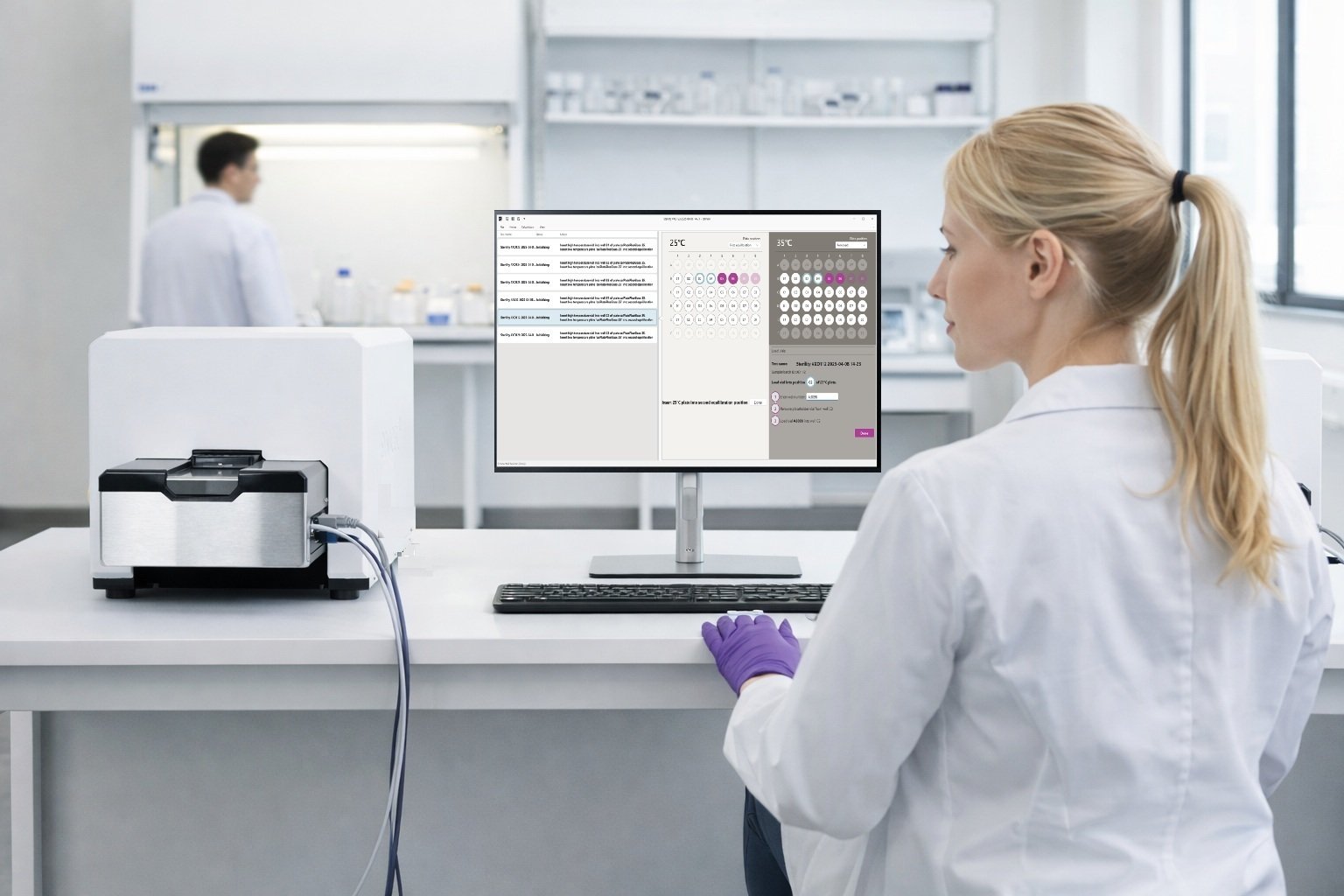
Isothermal microcalorimetry detects heat with extreme sensitivity. We have optimized a microcalorimeter specifically for the easy, accurate, and fast detection of metabolically active organisms.
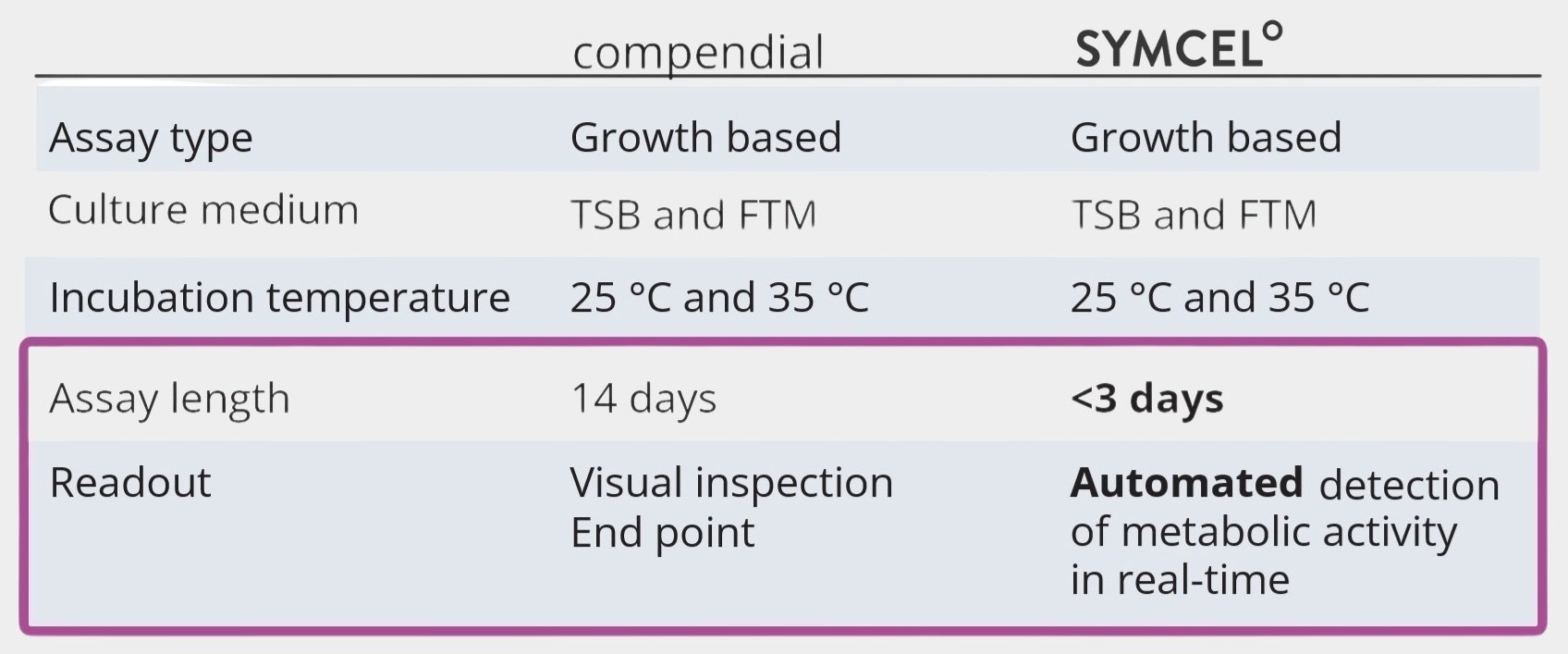
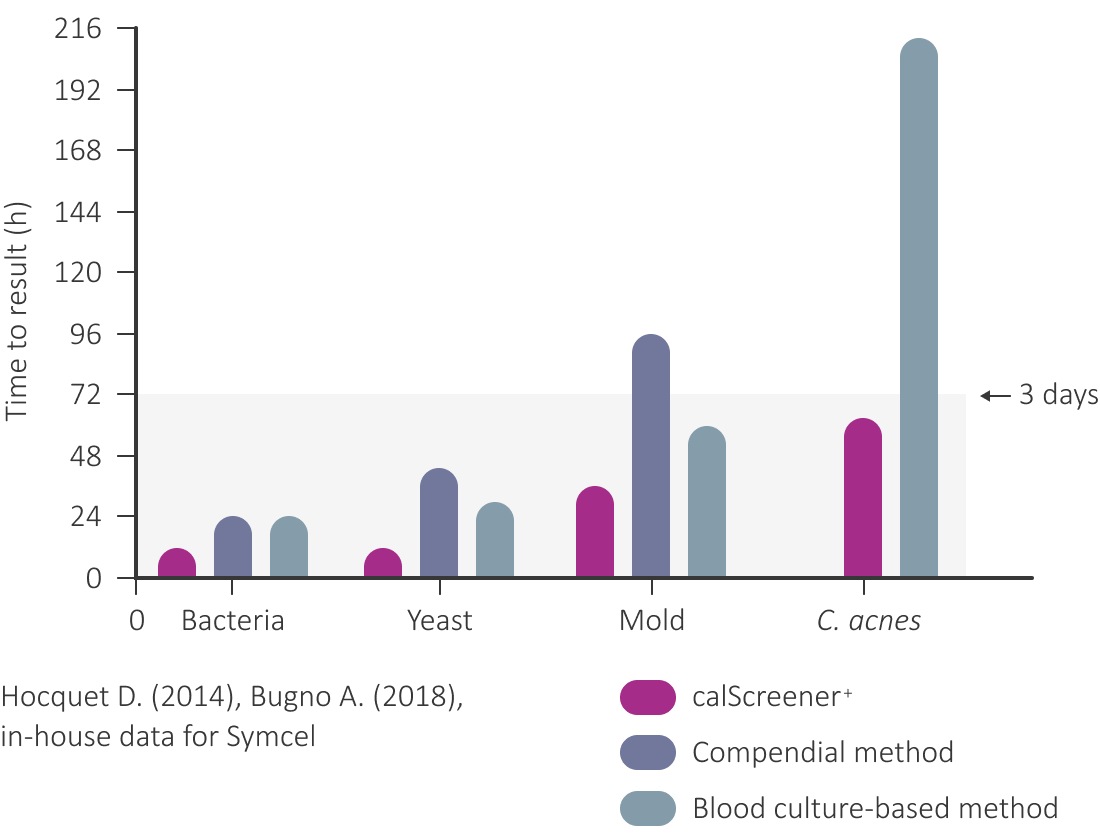
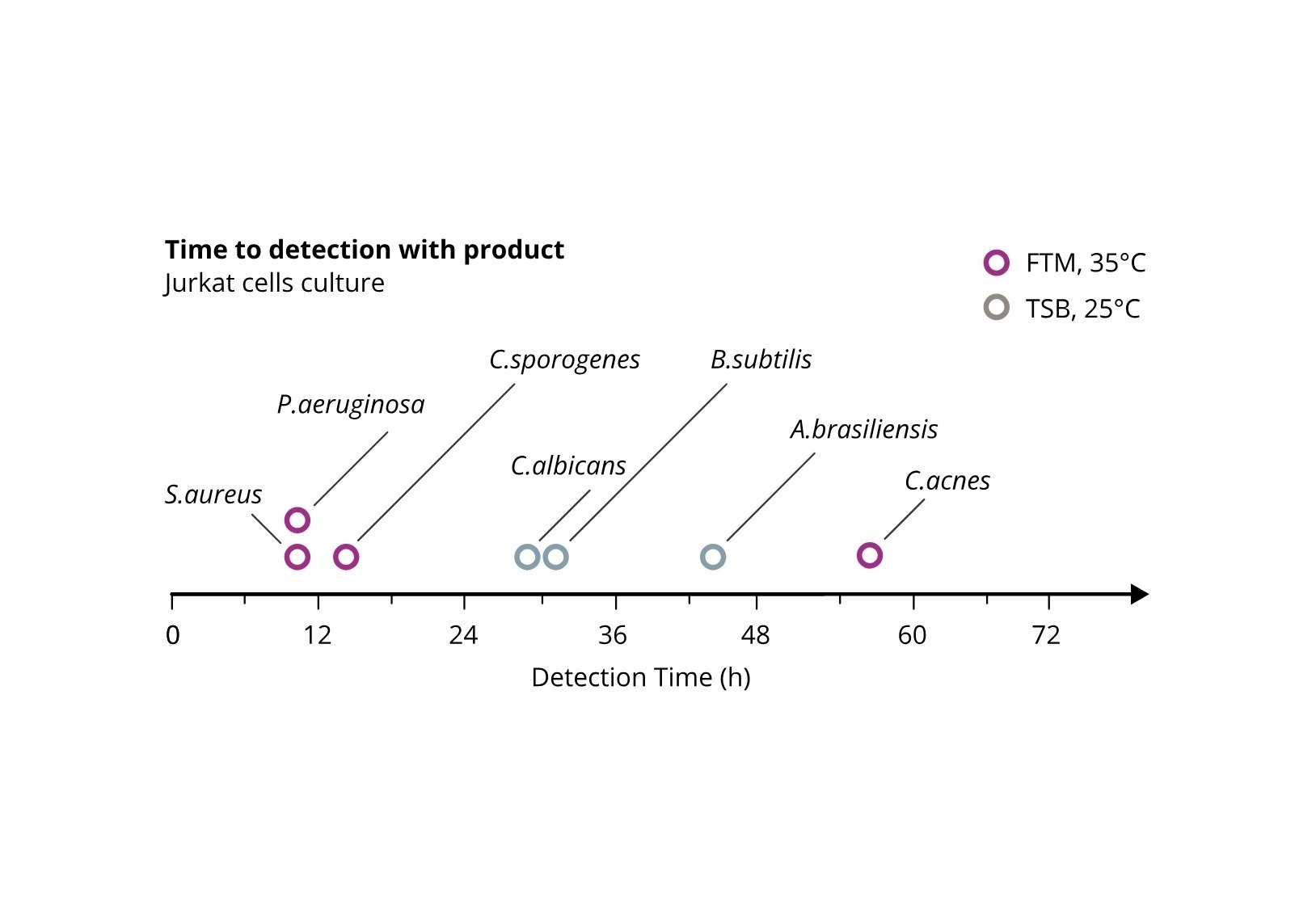
Time to results is less than 60 hours in growth promotion assays of <5 CFU/mL, with C. acnes being the slowest microorganism detected in as little as 48 - 58 hours. This is significantly faster than compendial methods (14 days), as well as other rapid-growth microbial methods (7 days). The image to the right shows a general comparison to compendial methods and colorimetric blood culture-based methods, cutting time by around 60% while minimizing the risk of false results.
This means faster results no longer require compromising on safety or reliability, and allows you to overcome challenges associated with testing complex product matrices, simplify manufacturing processes, and slash your time to market.
Rapid microbial detection
Release times are critical for life-saving therapies. Our novel biocalorimetry technology delivers faster, continuous, and more actionable results. With accurate, decisive negative results available in less than three days, product release decisions can be made earlier and with full confidence.
- Majority of bacteria detected in < 24 hours
- Fungi, including A.brasiliensis, in < 36 hours
- C. acnes, assay rate limiting organism, detected in < 60 hours
.jpg?width=1628&height=1120&name=Testimony%20(30).jpg)
Minimized risk of false results, even in complex backgrounds
The calScreener+ and caloTrace growth-based systems measure continuously and, since they work phenotypically, detect only viable microorganisms. They offer exceptional sensitivity, with a limit of detection (LOD) down to 1 CFU, and minimise the risk of false results caused by debris, residual genetic material, or components of the cellular product.
Where other growth-based sterility methods rely on a chain of indirect measurements, the isothermal microcalorimetry-based systems offer a more direct measure of microbial activity.
STERILITY TESTING OF COMPLEX CELL THERAPY PRODUCT MATRICES
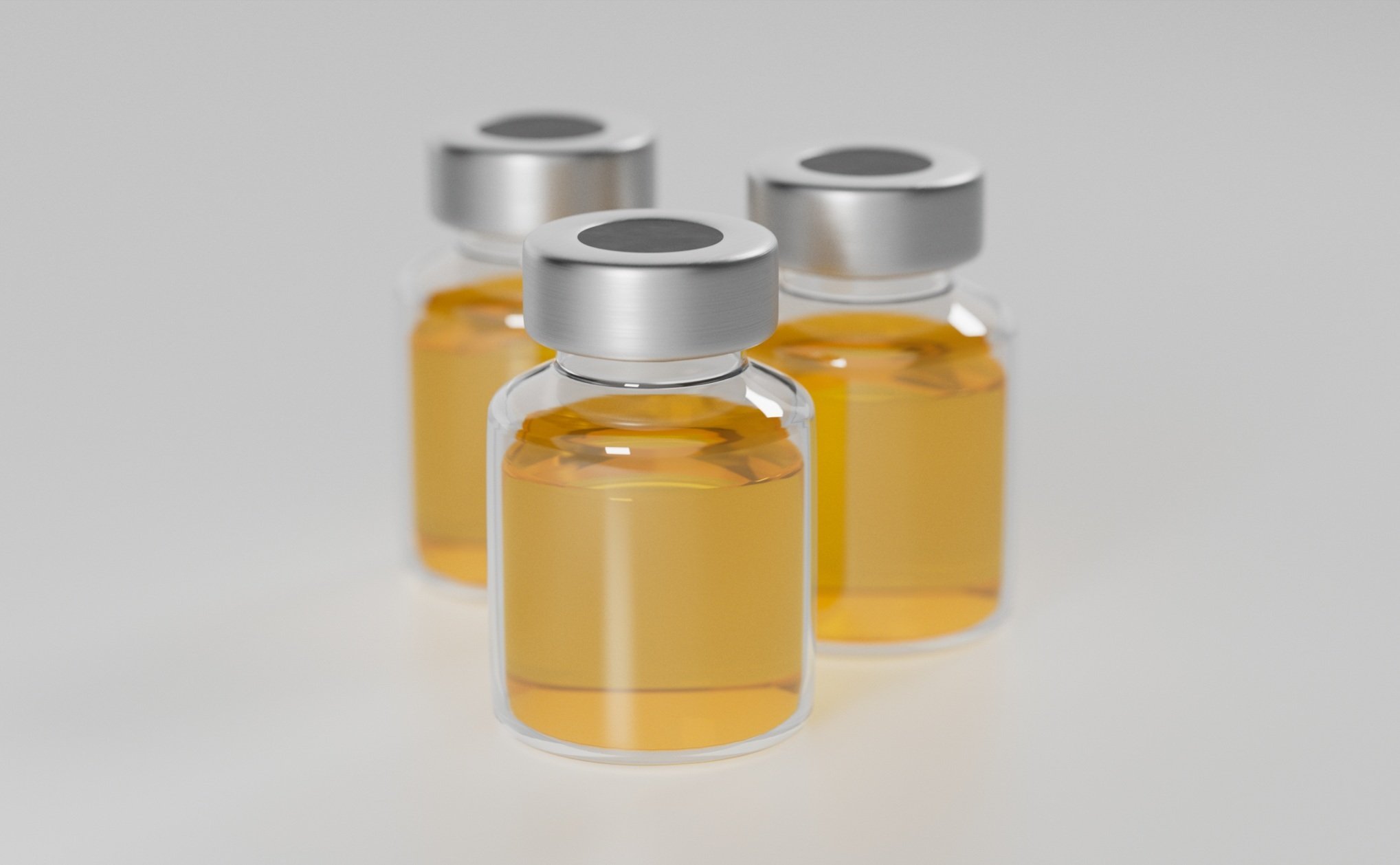
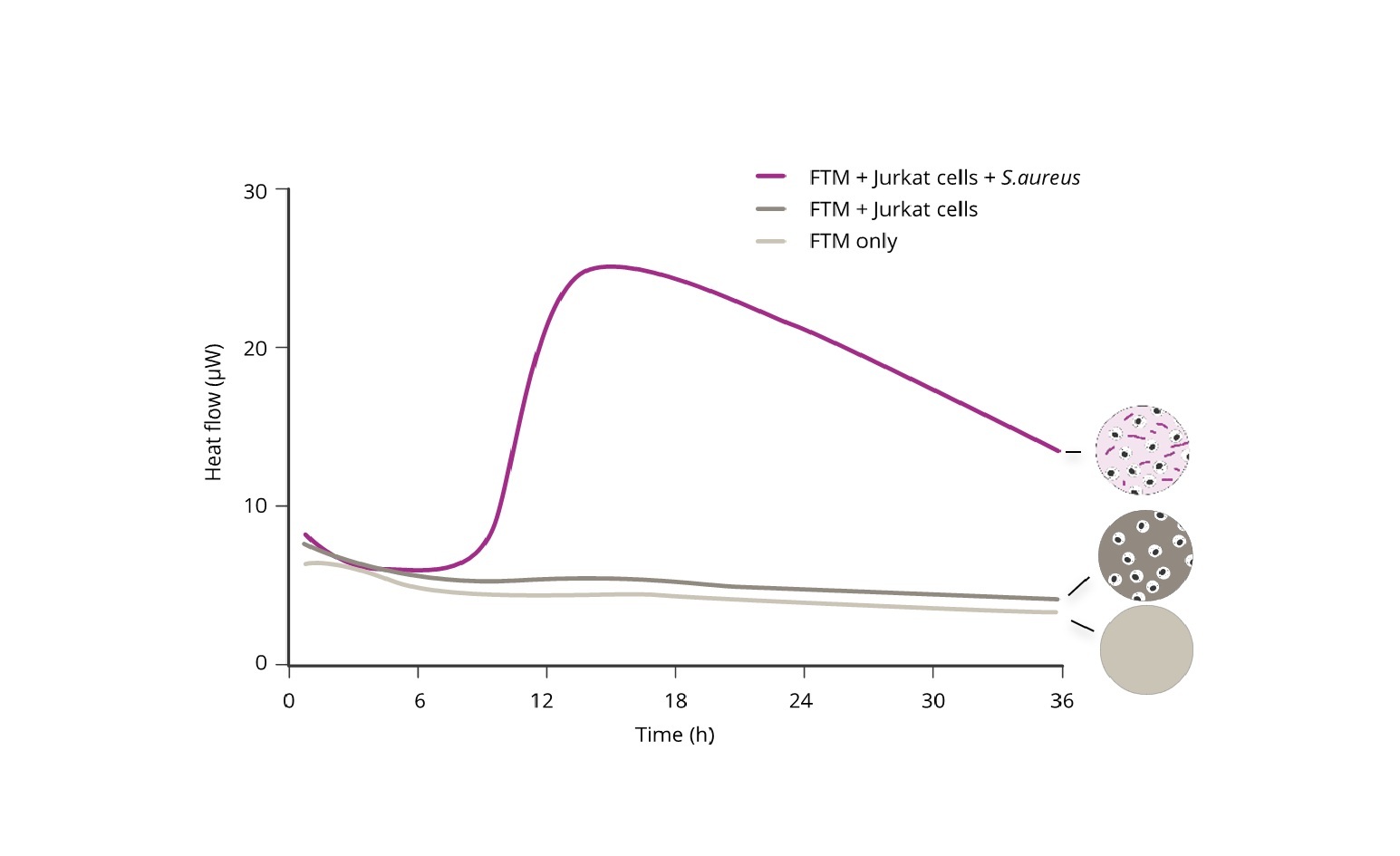
One major challenge in testing Advanced Therapy Medicinal Products (ATMPs) is the complexity of their product matrices, which can inhibit microbial growth or mask detection signals. This often requires extensive pre-processing steps that can introduce additional variability and potentially affect the accuracy of the test results. Biocalorimetry enables direct inoculation and reliable detection of contamination—even in highly complex sample matrices. This makes the Symcel sterility test optimal for cell and gene therapy products.
- No filtering
- No sample concentration
- No extraction
.jpg?width=1200&height=800&name=Testimony%20(46).jpg)
EASIER CONTAMINATION INVESTIGATION
Root cause analysis is critical if contamination is detected. The calScreener+ and caloTrace measurements are non-destructive and require no sample manipulation steps or interfering reagents. If a sample is found positive, inoculated samples can immediately be analyzed further using standard methods.
- No reagents
- No dyes
- No lysing
PRESERVE MORE PRODUCT FOR THE PATIENT
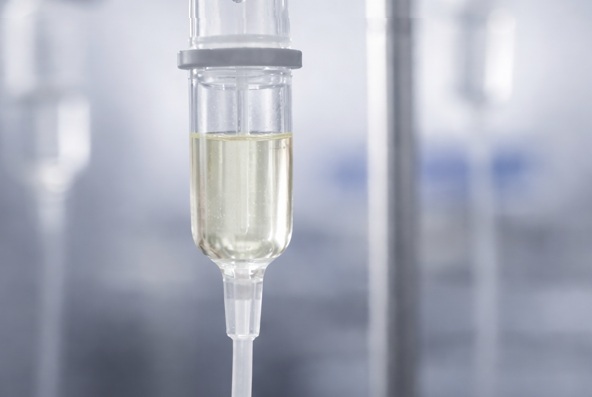
Traditional sterility testing methods require sample volumes that many advanced therapy products simply can’t spare. In contrast, the Symcel systems require only a minimal volume, enabling reliable testing even when product availability is critically low.
3-DAY CAR-T THERAPY STERILITY TESTING
Case study using a Jurkat CAR-T cell line. Study performed at <5 CFU in TSB and FTM growth media with direct inoculation in the presence of 106 CAR-T cells/ml. The samples were spiked with USP <71> recommended species plus C. acnes.
Data is representative of more than 10 different autologous cell therapy products tested, with fast and accurate detection, regardless of the product matrix.
Strategic R&D collaboration with Johnson & Johnson
Sterility testing is the most time-consuming step in releasing cell therapies. Current methods can take 7–14 days, delaying access to critical treatments. This collaboration aims to deliver a validated, GMP-compliant test that cuts release time to under 3 days—improving manufacturing efficiency with faster access for patients.
.jpg?width=1146&height=600&name=Announcement%20(60).jpg)
VALIDATION & REGULATORY
The Symcel Rapid Microbial Method (RMM) systems follow the US and EU standards USP <1223> and <1071>, PDA TR 33, EP 5.1.6 and EP 2.6.27. Primary validation package is conducted on method limit of detection (LOD), comparability, specificity, ruggedness and robustness, with data package availability before conducting method validation. Measurement performance of calScreener+ compared to the compendial USP <71> sterility test has been evaluated on a broad panel of microorganisms.
Contact us at sterility@symcel.com for more information and to conduct feasibility studies on your samples.