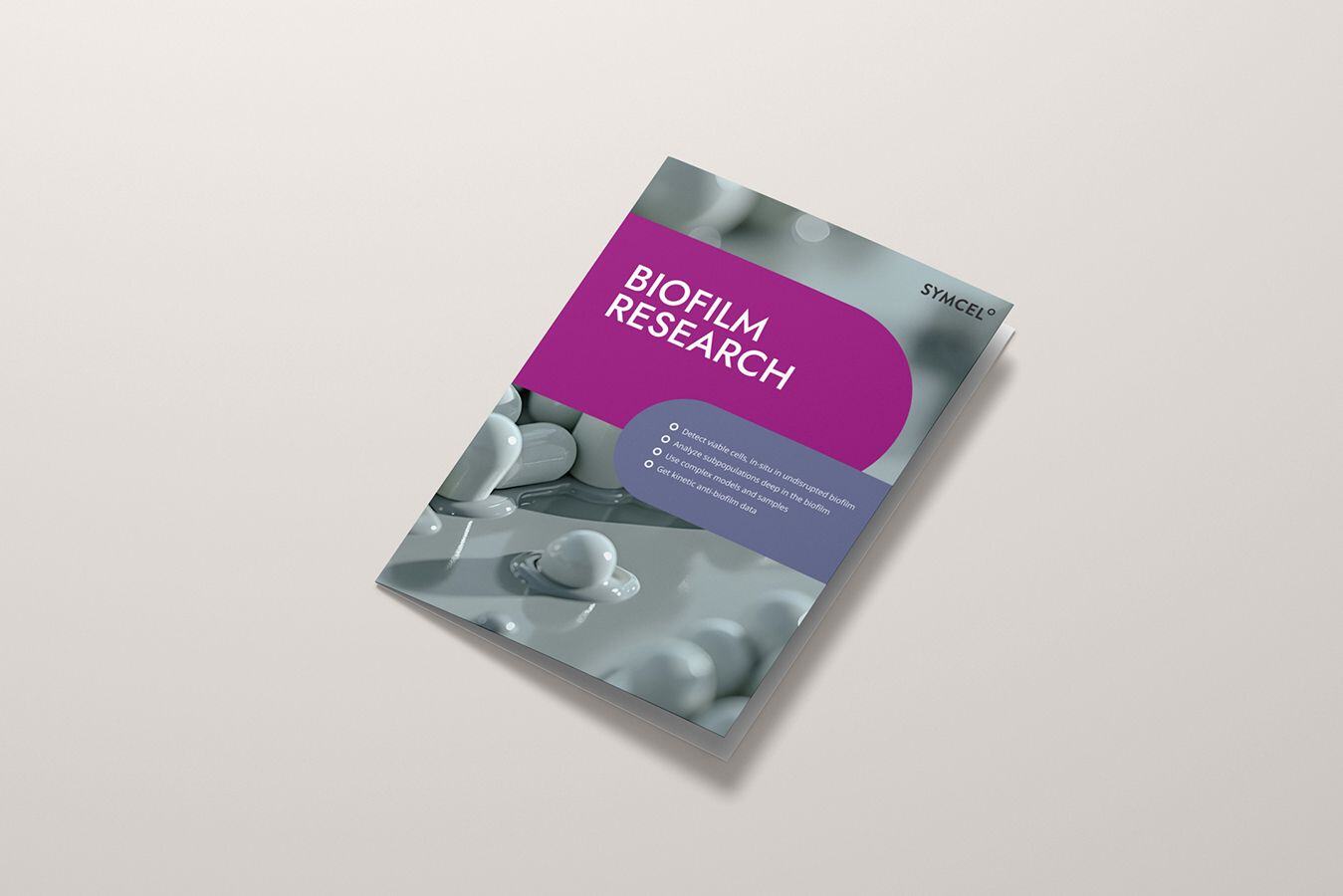
BIOFILM MEASUREMENT WITH BIOCALORIMETRY
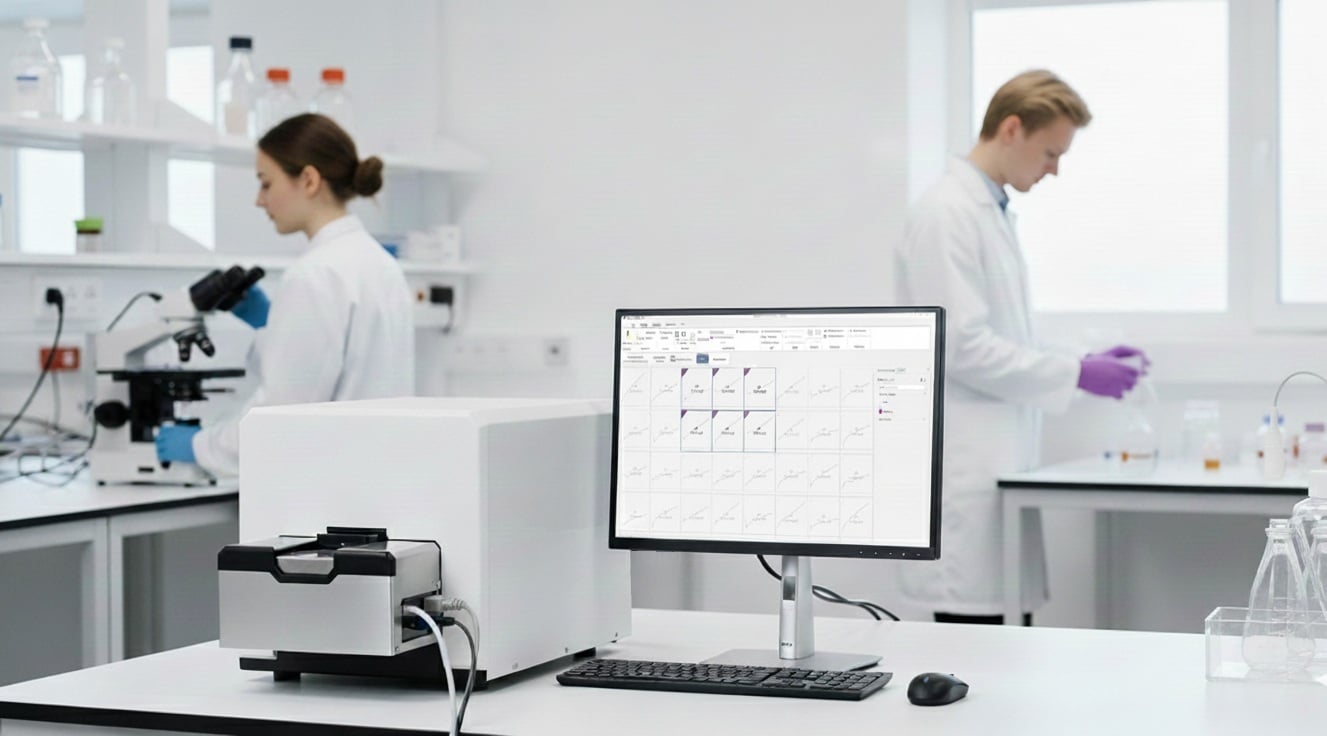
Isothermal microcalorimetry with the calScreener provides a direct, real-time measurement of metabolic heat produced by living microorganisms inside intact biofilms.
Unlike traditional biofilm assays, there’s no need to disturb or disrupt the biofilm to detect the biofilm containing cells. No stains, labels, or tracers required, the system simply measures the heat flow from viable cells in their natural environment. This accelerates and standardizes biofilm testing:
-
Monitor biofilm growth and antimicrobial tolerance continuously in real time
-
In-situ analyses of intact biofilms directly on surfaces without disruption or sample preparation
-
Detect metabolic activity from all viable cells, including dormant or embedded subpopulations
-
High-throughput and reproducible biofilm models
ADVANCING BIOFILM RESEARCH THROUGH METABOLIC MEASUREMENTS
To truly grasp the nature of biofilms, we have to measure the entire population holistically. While imaging and molecular techniques reveal structure and composition, they often miss the functional state of the community. Biocalorimetry offers a direct window into biofilm behaviour under realistic conditions. It bridges the gap between traditional models and clinically or environmentally relevant scenarios, paving the way for more accurate and impactful biofilm research.
CLINICALLY RELEVANT WOUND TESTING
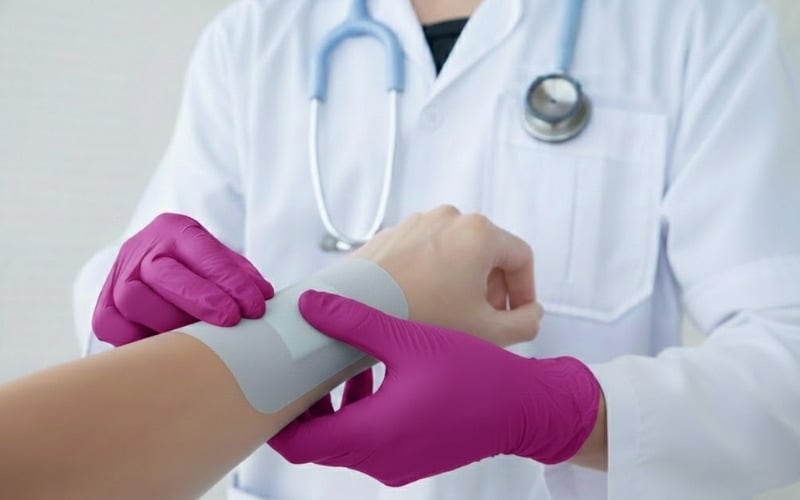
Developing new treatments for chronic wounds — whether antimicrobials, dressings, compounds, materials, or delivery systems — requires models that truly reflect the clinical environment. Traditional in vitro assays often oversimplify this complexity, leading to poor translation from lab to patient care. With the calScreener chronic wound model, real wound complexity is brought into a controlled system, allowing researchers to study biofilm dynamics and treatment effects in real time.
CYSTIC FIBROSIS AND CHRONIC LUNG INFECTIONS
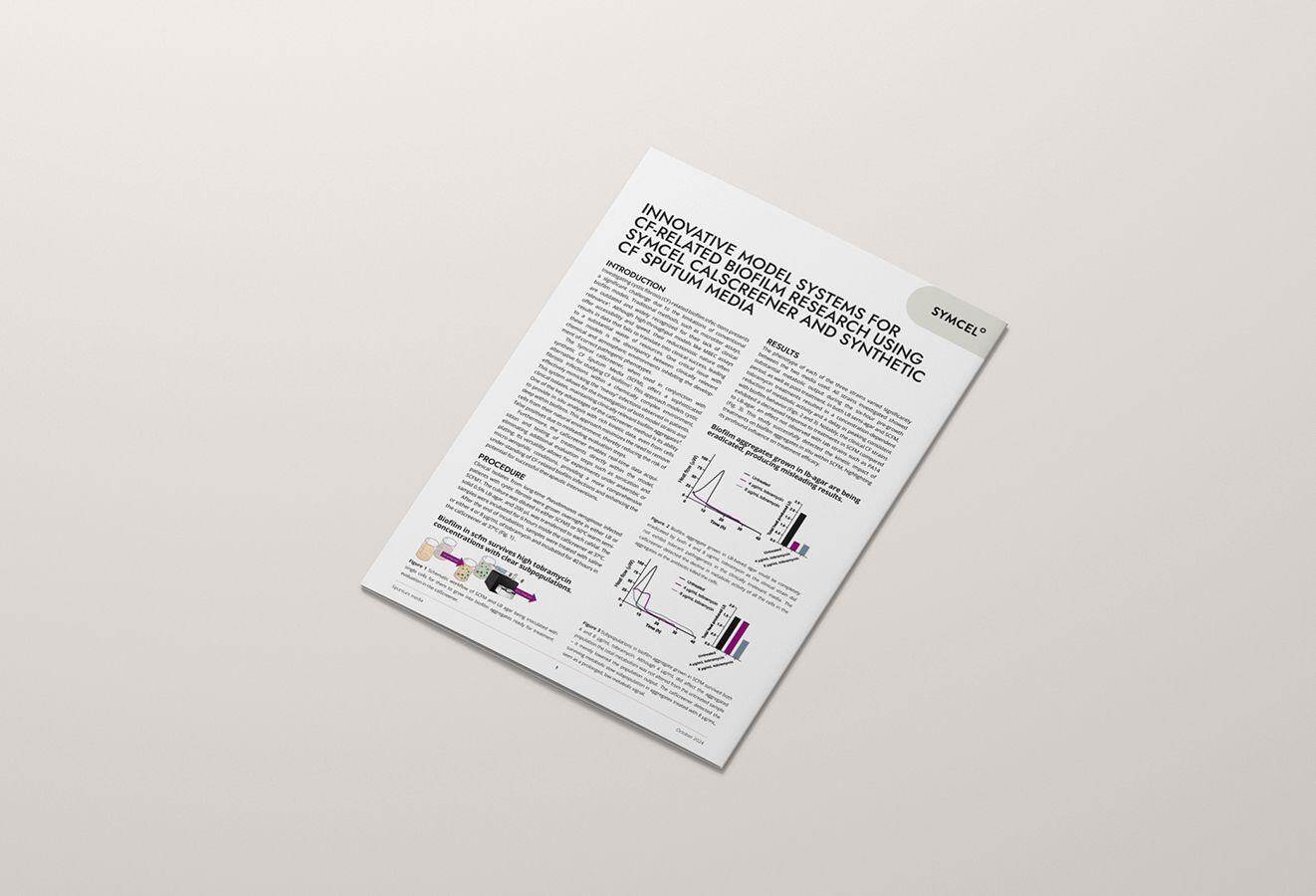
Cystic fibrosis and other chronic lung conditions create environments allowing thick, mucus-rich biofilms formation. These biofilms are often tolerant to antimicrobial therapy and difficult to analyse using conventional methods. The calScreener biocalorimeter, combined with media that mimic clinical airway conditions, enables non-destructive in situ analysis of respiratory biofilms under disease-like environments.
MATERIALS & COATING BIOFILM TESTING
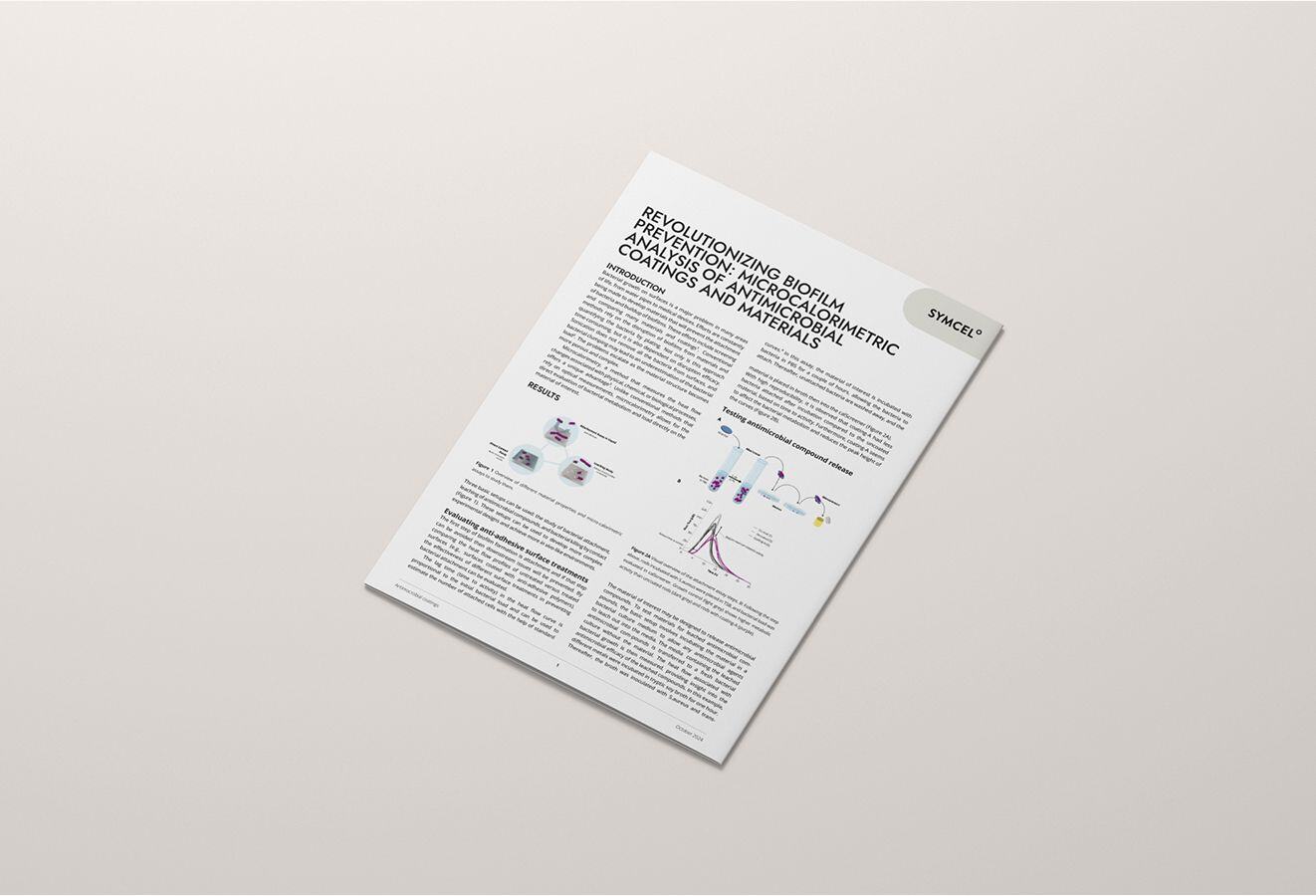
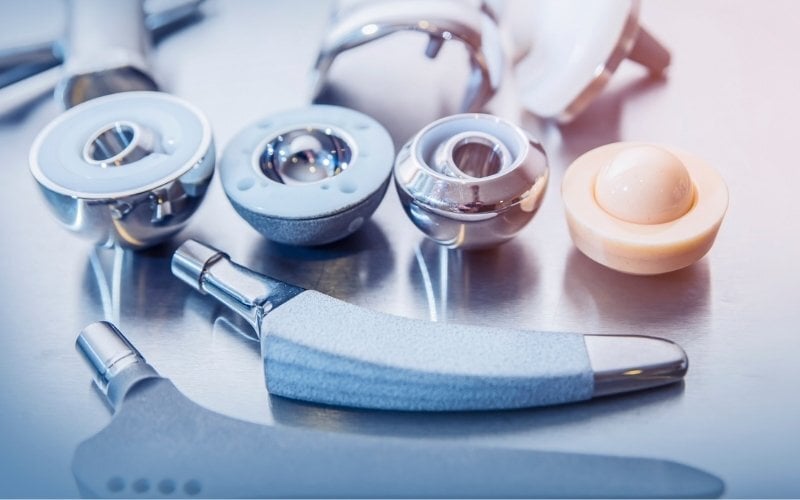
Biocalorimetry enables direct measurement of microbial activity on surfaces and coated materials used in medical devices and industrial equipment without disrupting the biofilm. By monitoring heat flow from viable cells in real time, the calScreener reveals how different materials, coatings or surface chemistries influence biofilm formation, inhibition and recovery. This supports rapid comparison of candidate coatings and surface treatments under controlled and realistic conditions.
ANTIMICROBIAL EFFICACY, TOLERANCE AND PERSISTENCE STUDIES
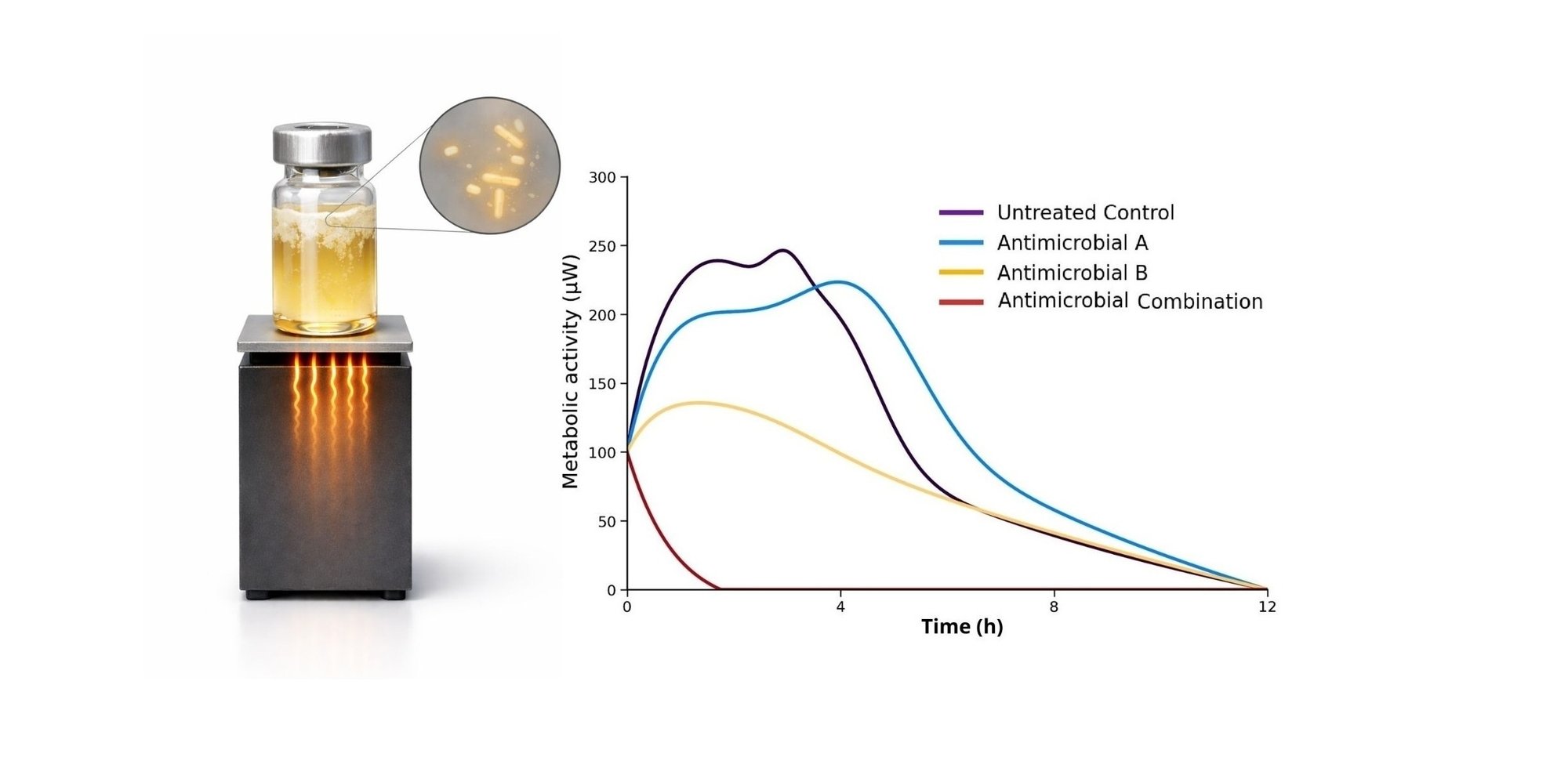
Understanding how biofilms respond to antibiotics, small molecules, peptides, phage therapies and other antimicrobials requires relevant and realistic model systems that mimic natural conditions. Biocalorimetry measures these responses directly within intact biofilms, providing metabolic curves that reveal inhibition, killing dynamics and growth patterns. This enables antimicrobial developers to evaluate treatment potency, optimise dosing strategies, identify synergies and understand how biofilms adapt or recover over time.
.jpg?width=724&height=483&name=iStock-1081540342%20(1).jpg)
BACTERIOPHAGE TESTING & DEVELOPMENT
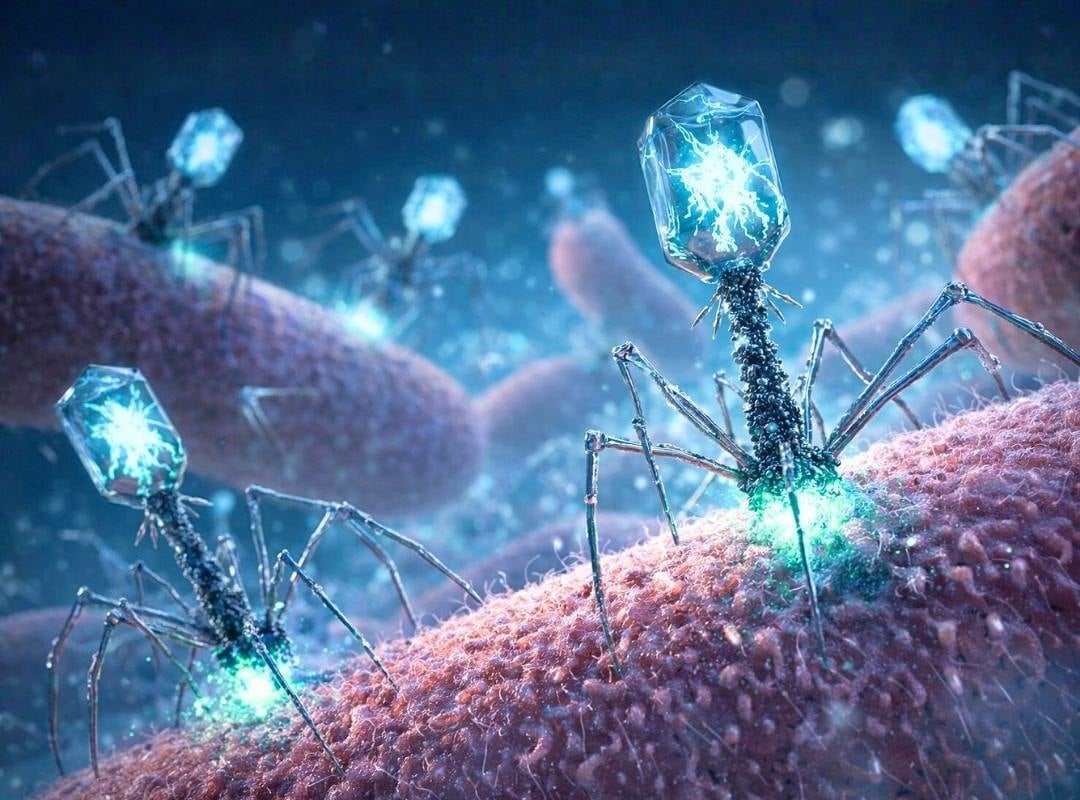
Bacteriophages are widely regarded as one of the most promising therapeutic approaches to addressing increasing antimicrobial resistance and chronic infections. However, selecting effective phages is challenging and costly due to complex infection environments and the substantial manual workload required by traditional methods. Biocalorimetry streamlines testing workflows, accelerates screening, and enables evaluation under clinically relevant conditions.
MICROBIALLY INDUCED CORROSION TESTING
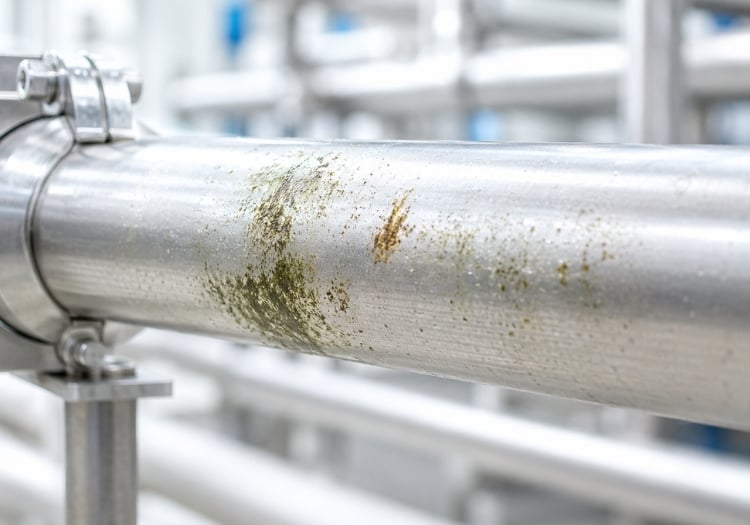
Microbially induced corrosion (MIC) is a challenge across industries including energy, marine, water treatment, and industrial manufacturing. By simultaneously measuring heat generated by microbial metabolism and corrosion reactions, biocalorimetry enables real-time, non-destructive quantification of MIC, helping researchers distinguish between microbial and abiotic corrosion processes and evaluate corrosion mitigation strategies.
THE CALSCREENER: STANDARDIZED, ACCELERATED BIOFILM TESTING
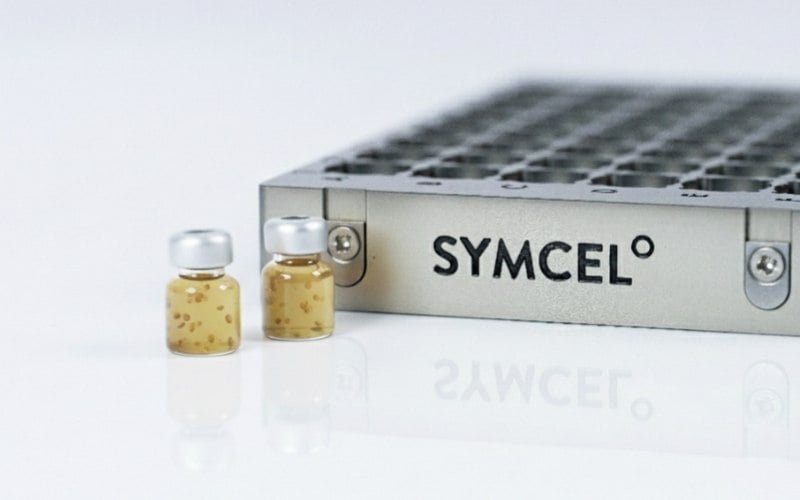
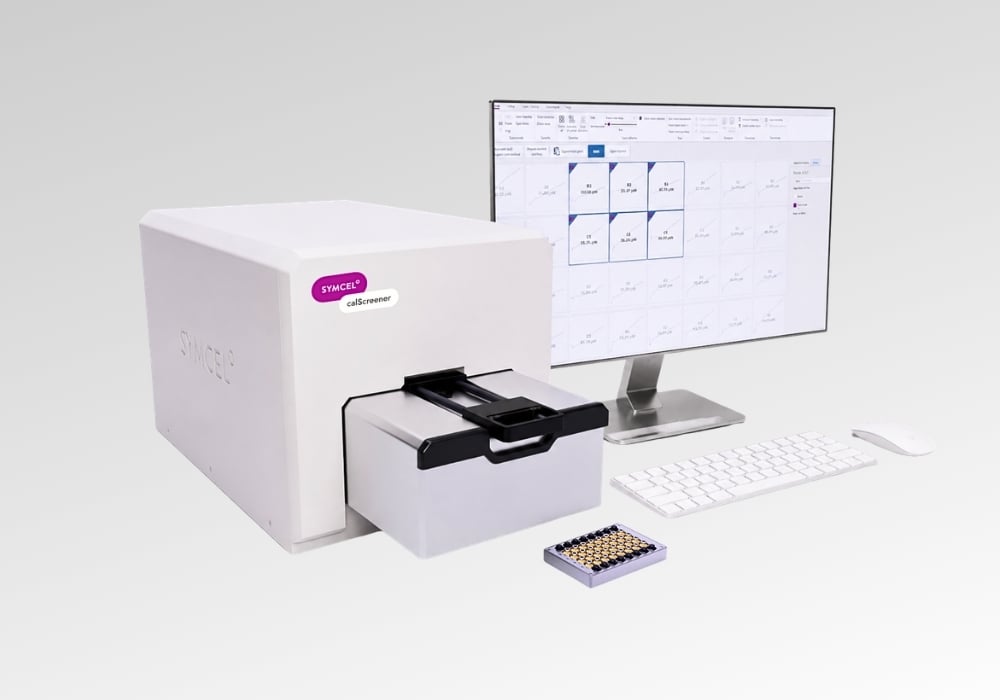
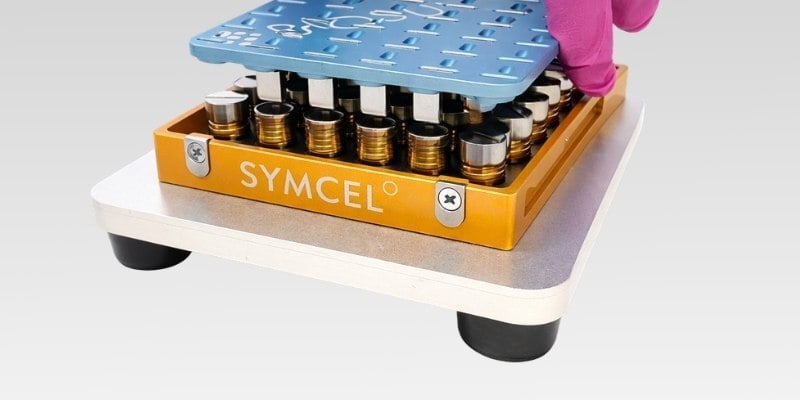
The calScreener biocalorimeter enables high-sensitivity metabolic measurements across up to 32 samples in parallel in a streamlined workflow. Samples are simply added to vials containing growth media, enabling streamlined analysis of biofilms growth.
-
Rapid: Real-time metabolic heat signatures reveal biofilm growth, inhibition and killing dynamics far earlier than traditional endpoint assays
-
Versatile: Direct in situ testing of biofilms on device materials, antimicrobial coatings, wound dressings and more—no staining, disruption, reagents or complex preparation required
-
Reproducible: Standardized assays reduce manual handling and accelerate research and insights
IN SITU ANALYSIS OF SURFACE-ATTACHED BIOFILM
The calScreener is compatible with the BioSurface Technologies MicroWell™ Assay, enabling reproducible standardized analysis of biofilms grown on custom surface coupons inserted into calVials. Coupons are available in many materials, including stainless steel, PTFE, and polycarbonate (PC). The assay follows principles from widely used ASTM and ISO biofilm standards such as ASTM E2799, ISO 22196 and ISO 15883-5 and is suitable for a wide range of biofilm research applications, including:
-
Antimicrobial and antibiofilm efficacy testing
-
Material and surface screening for biofilm formation
-
Studies of biofilm tolerance, persistence, and recovery
CALOTRACE
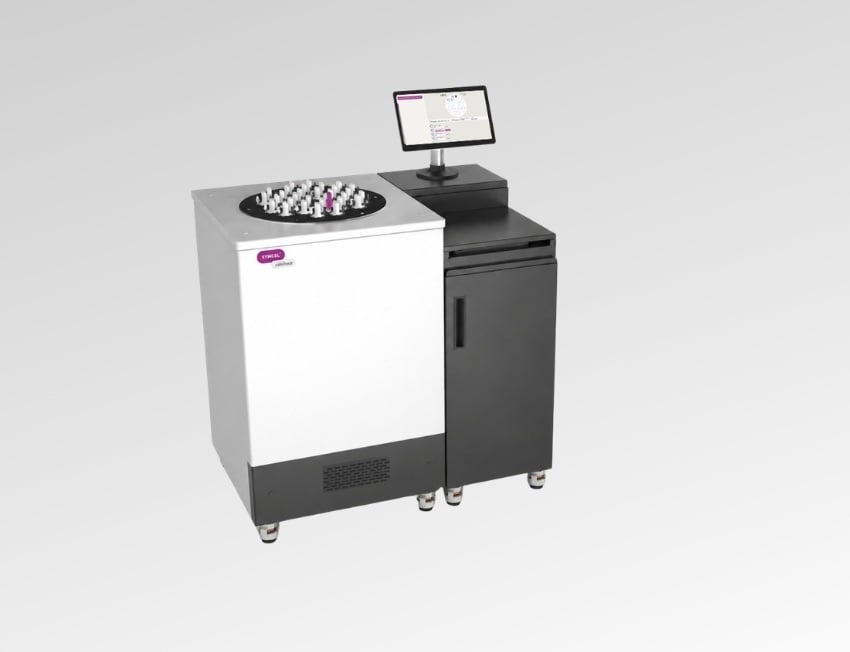
For applications requiring larger sample volumes and individual sample loading, the caloTrace® is Symcel’s most flexible, high-performance biocalorimetry platform, enabling up to 10 mL sample volume per test vial at temperatures between 20 °C and 40 °C across 30 independently loaded test positions.
A NETWORK OF BIOFILM RESEARCH INNOVATORS
Symcel collaborates with leading experts across the spectrum of biofilm science spanning clinical microbiology, chronic infections, food safety, antimicrobial tolerance, and material surface interactions. Their insights shape our solutions and development of reliable and relevant biofilm models. Read more in our calScreener testimonials about how biocalorimetry is applied to accelerate microbial testing and advance biofilm science.
.jpg?width=1493&height=947&name=Ssurface%20attached%20biofilm%20(3).jpg)