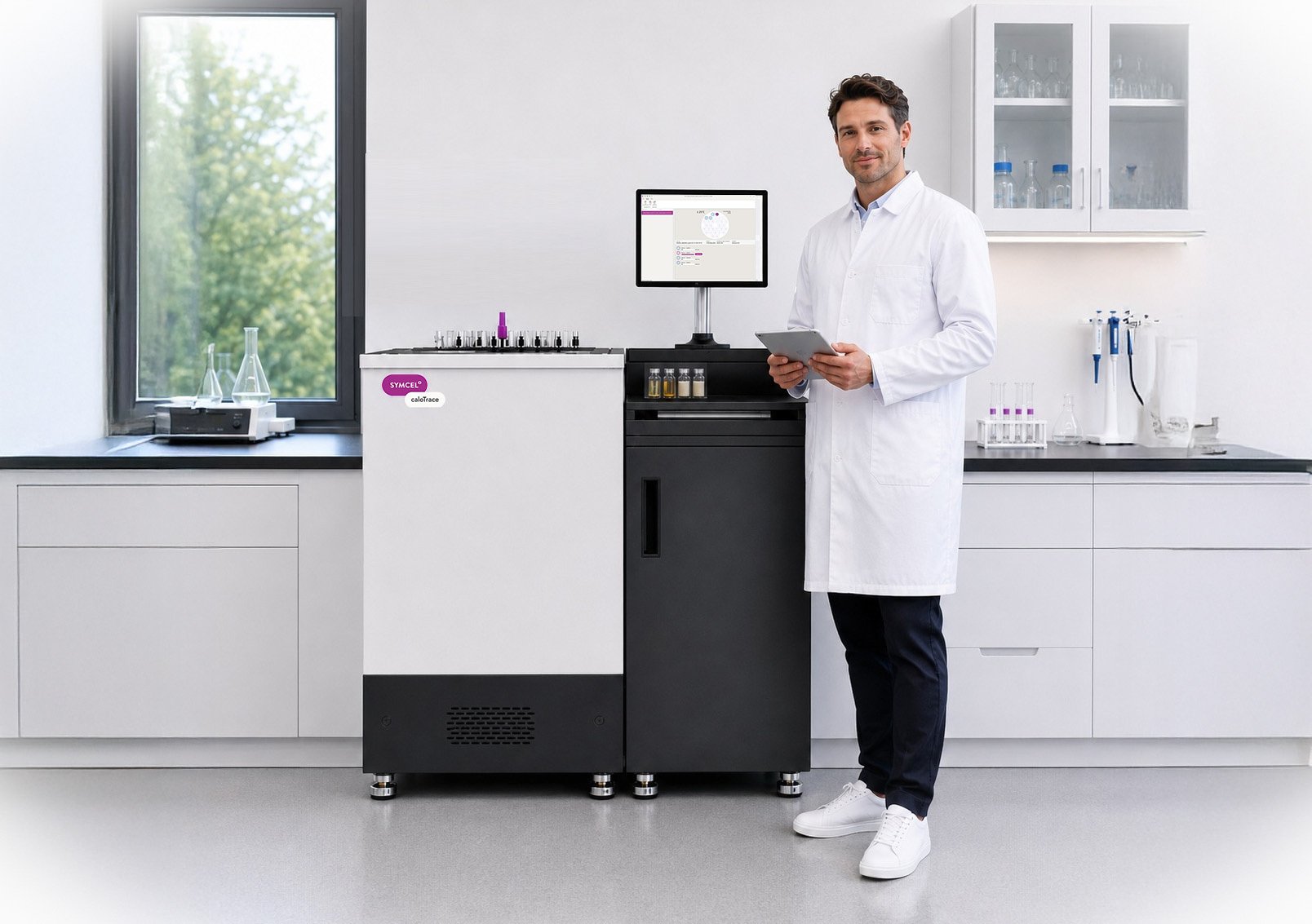
Cell Research and Real-Time Metabolic Analysis
Cellular metabolism is dynamic and can change substantially over time. Biocalorimetry continuously measures the metabolic heat generated by living cells, providing a direct readout of overall biological activity throughout an experiment.
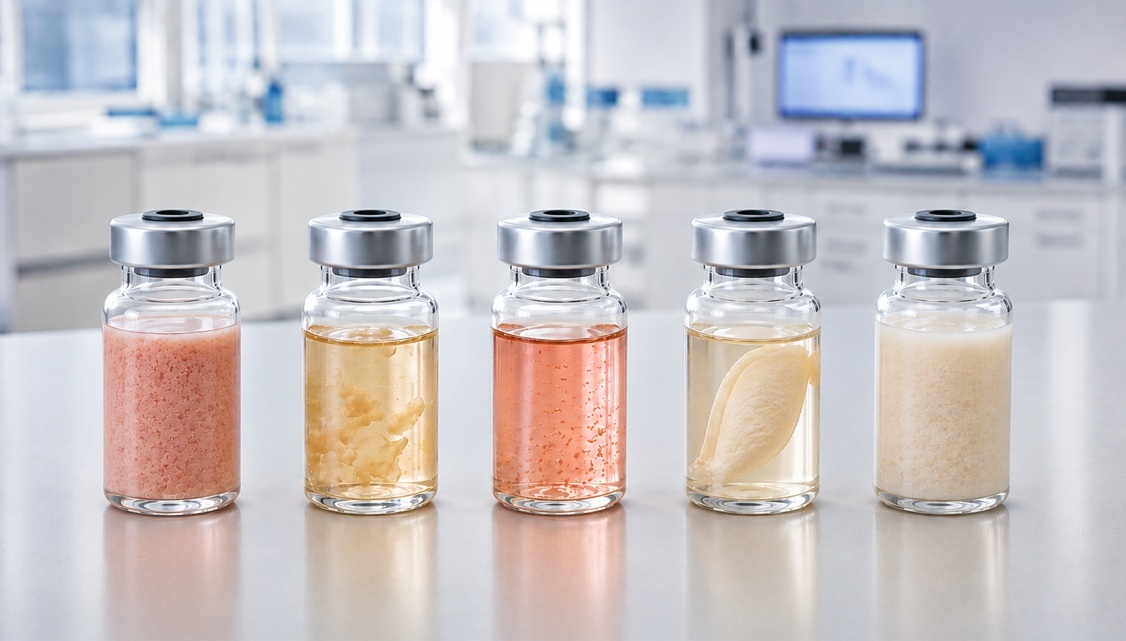
Measurements are label-free and independent of sample shape or complexity, enabling analysis of diverse sample types, including cell cultures, spheroids, organoids, tissue samples and other complex biological models, with sample volumes of up to 10 mL. Metabolic responses, growth and treatment effects can be monitored continuously across up to 32 parallel samples.
Designed for academic, pharmaceutical, and biotechnology laboratories, the calScreener® and caloTrace® platforms support modern workflows requiring sensitive, reproducible, and scalable cellular analysis.
Organoid Research
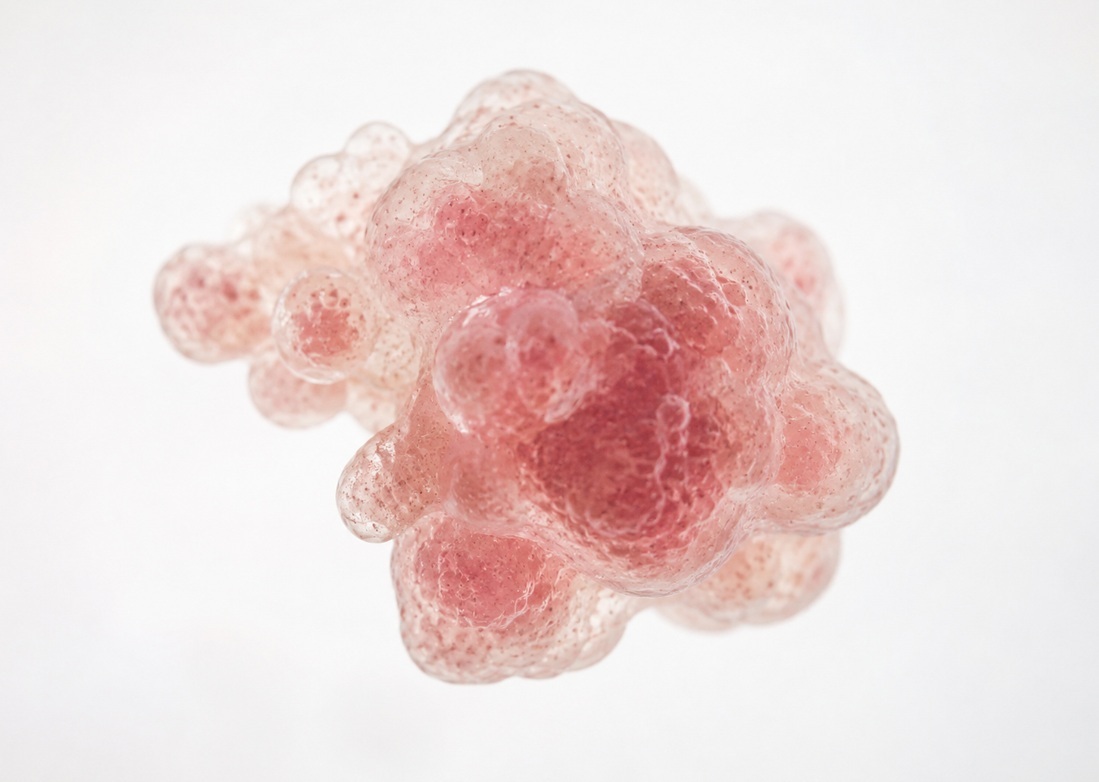
Organoids have become powerful tools for modeling human biology and disease. Their complex three-dimensional structure creates new opportunities for studying tissue development, differentiation, and therapeutic response in physiologically relevant systems.
Real-time metabolic monitoring provides valuable insight into organoid viability and maturation without disturbing fragile cultures. Researchers can continuously follow biological activity throughout long-term experiments while optimizing growth conditions and treatment protocols. Applications include intestinal organoids, liver organoids, brain organoids, and stem cell-derived tissue models.
Adipose Tissue Metabolism
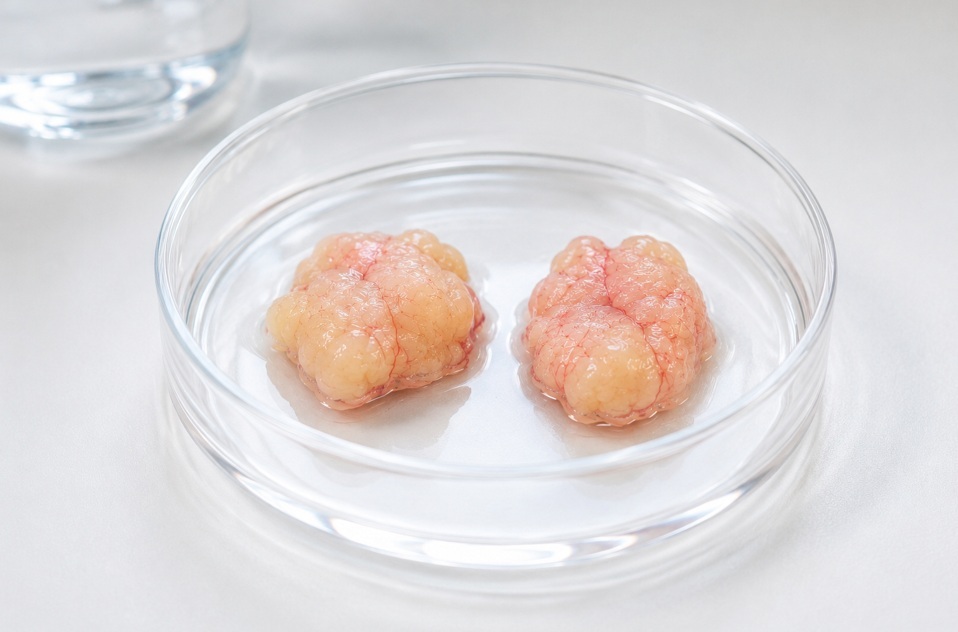
Adipose tissue plays a central role in metabolic regulation, inflammation, and energy balance. Understanding how adipose tissue responds to environmental changes and therapeutic interventions is critical for obesity and metabolic disease research.
Continuous metabolic analysis enables researchers to study adipocyte activity and tissue metabolism under changing experimental conditions. Real-time measurements provide sensitive detection of metabolic shifts while preserving tissue integrity throughout the study. This supports research in obesity, insulin sensitivity, lipid metabolism, and inflammatory responses.
.
Cancer Cell Research
Cancer cells exhibit highly dynamic metabolic behavior that changes rapidly in response to stress, hypoxia, and therapeutic treatment. Monitoring these changes continuously provides deeper insight into tumor biology and treatment efficacy.
Real-time metabolic analysis allows researchers to detect subtle treatment responses earlier than traditional endpoint methods. By continuously tracking cellular activity, scientists can better evaluate drug sensitivity, cellular adaptation, and tumor progression over time. Applications include chemotherapy response studies, tumor metabolism analysis, hypoxia research, and personalized medicine approaches.

Developmental Biology
Developmental biology focuses on how cells grow, differentiate, and organise into complex tissues and organisms. Real-time metabolic monitoring enables researchers to study developmental processes continuously while preserving sensitive biological systems. Applications include stem cell differentiation studies, tissue maturation research, regenerative biology, and research into developmental disorders.

calScreener®
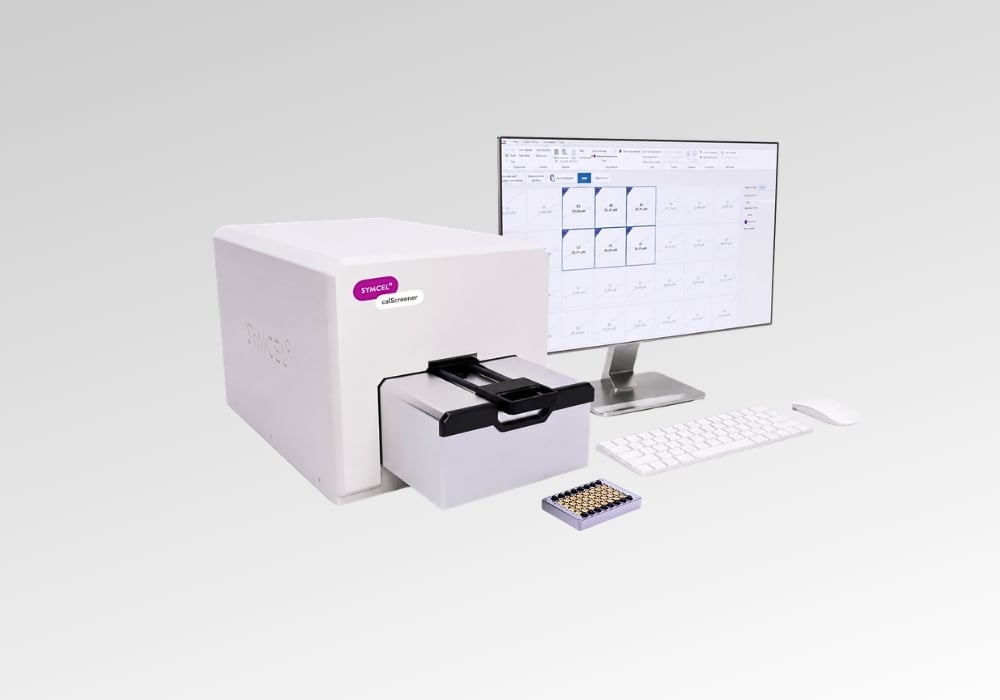
The calScreener is a batch-loaded benchtop biocalorimeter capable of analyzing up to 32 samples in parallel, with sample volumes of up to 600 µL. The system operates between 30–40 °C, while the calScreener+ extends the temperature range to 20–40 °C. Single-use, optical-grade plastic inserts accommodate up to 400 µL and are also available in an activated version designed to facilitate cell attachment to the surface.
caloTrace®
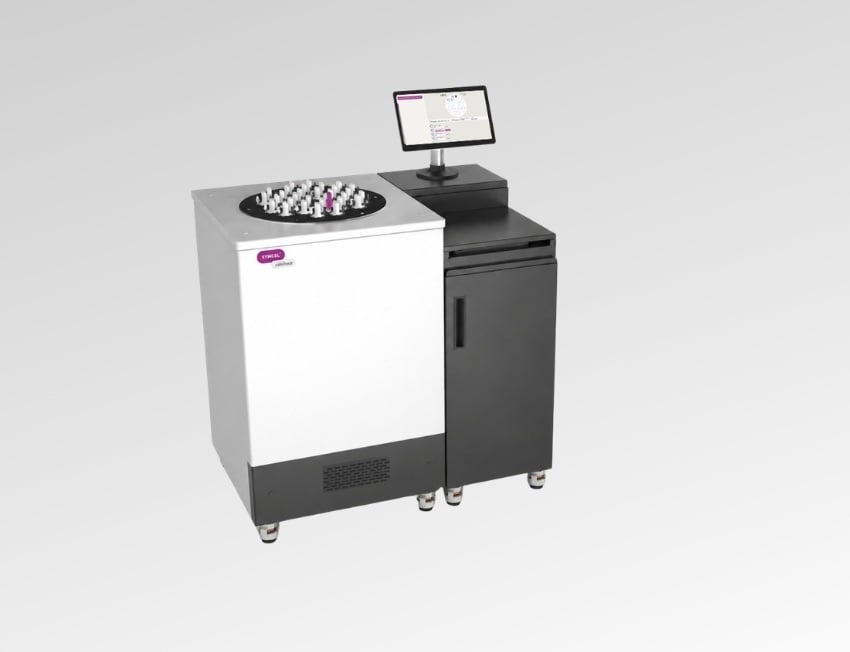
The caloTrace is Symcel’s most flexible biocalorimetry platform, operating across a temperature range of 20–40 °C and supporting sample volumes of up to 10 mL. Samples can be loaded independently across 30 high-sensitivity calorimetric channels, providing high flexibility in sample size, experimental setup and operation.
CELL METABOLISM TESTING WORKFLOW
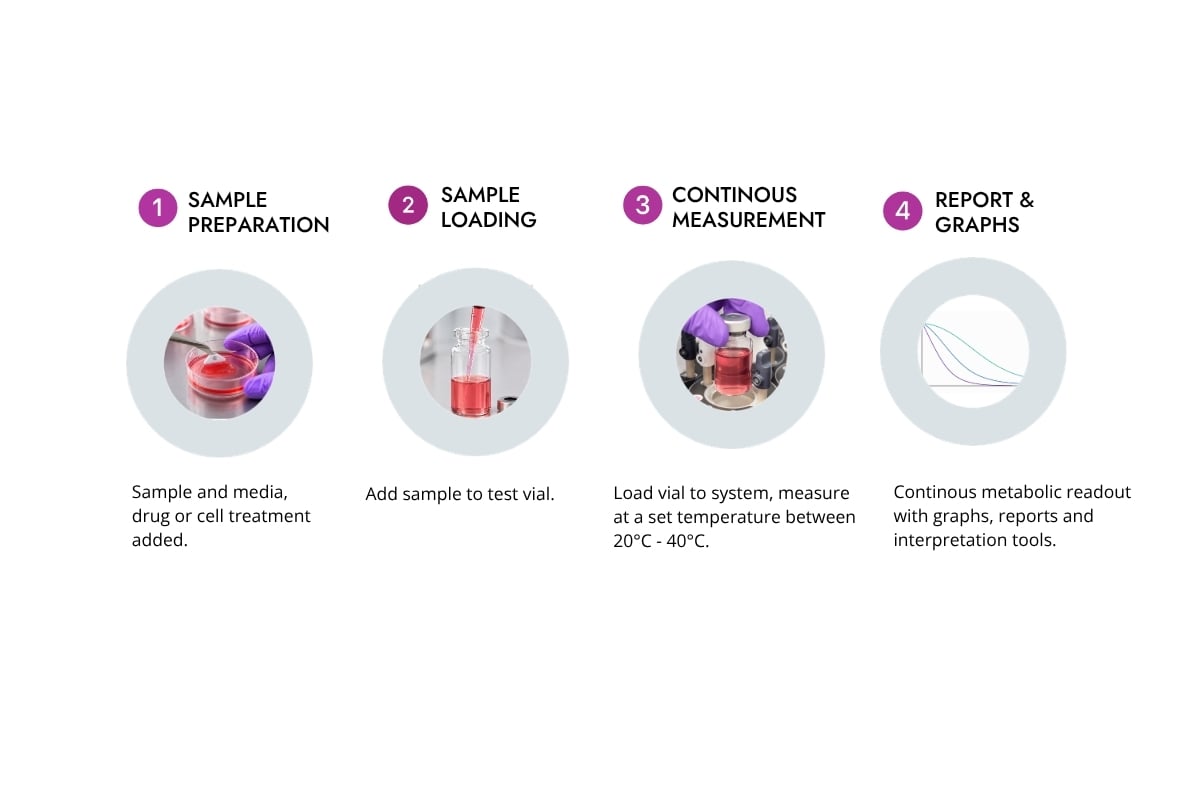
Samples can be prepared with different media, compounds or treatments and loaded directly into calVials, accommodating biological models ranging from cell cultures to complex tissue samples. Metabolic activity is then monitored continuously at a controlled temperature, enabling researchers to compare biological responses while keeping samples intact throughout the experiment.
TEST YOUR CELL RESEARCH APPLICATION
Not sure whether biocalorimetry and Symcel’s systems are suitable for your application? Symcel offers feasibility testing to evaluate your samples and experimental setup using our technology. Together, we can explore measurement conditions, assess metabolic signals and determine how biocalorimetry can support your research. We design and run experiments tailored to your application and provide a corresponding report with results and conclusions.