Real-time monitoring of clinical samples
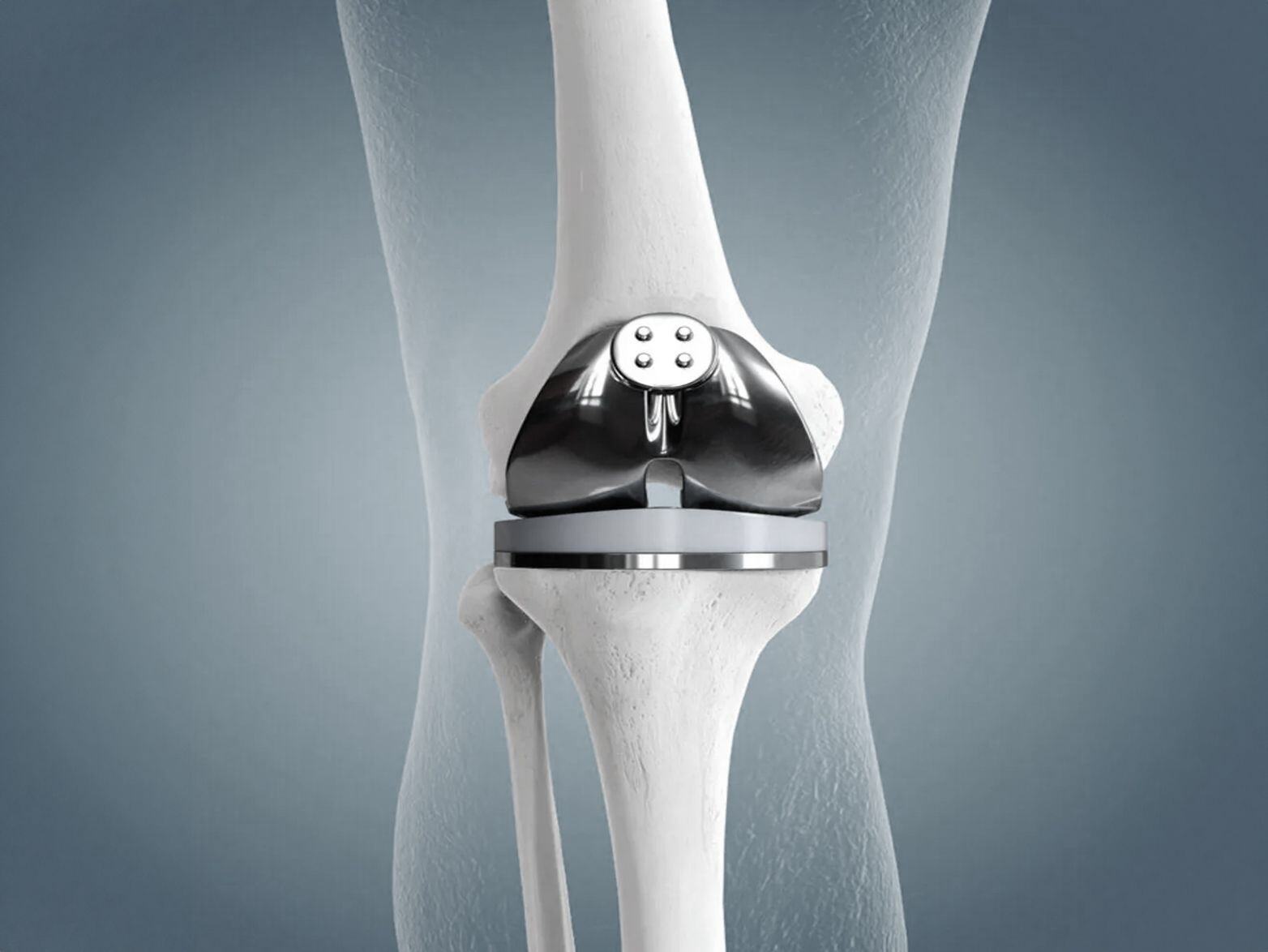
Up to 20% of prosthetic joint infections (PJIs) remain undiagnosed using current methods. Biocalorimetry-based approaches enable detection directly from patient samples and have been shown to provide additional insight into microbial activity compared to conventional methods, with shorter time to detection.
In a study by Cichos et al. (Journal of Clinical Microbiology), isothermal microcalorimetry reduced the median time to detection to approximately 10 hours, compared to around 51 hours using conventional microbial culture methods for PJI.
Metabolic activity measurement in clinical diagnostics
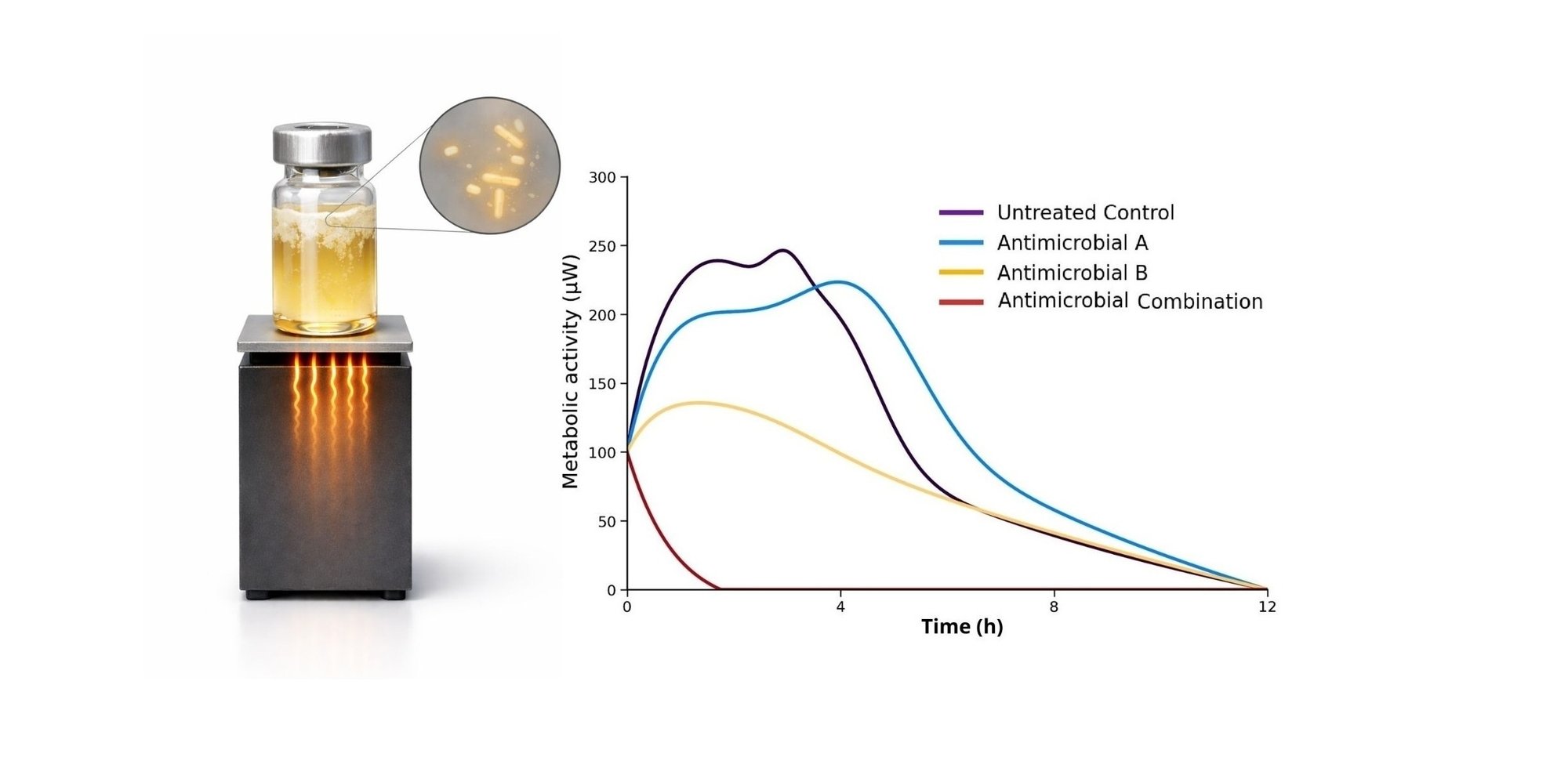
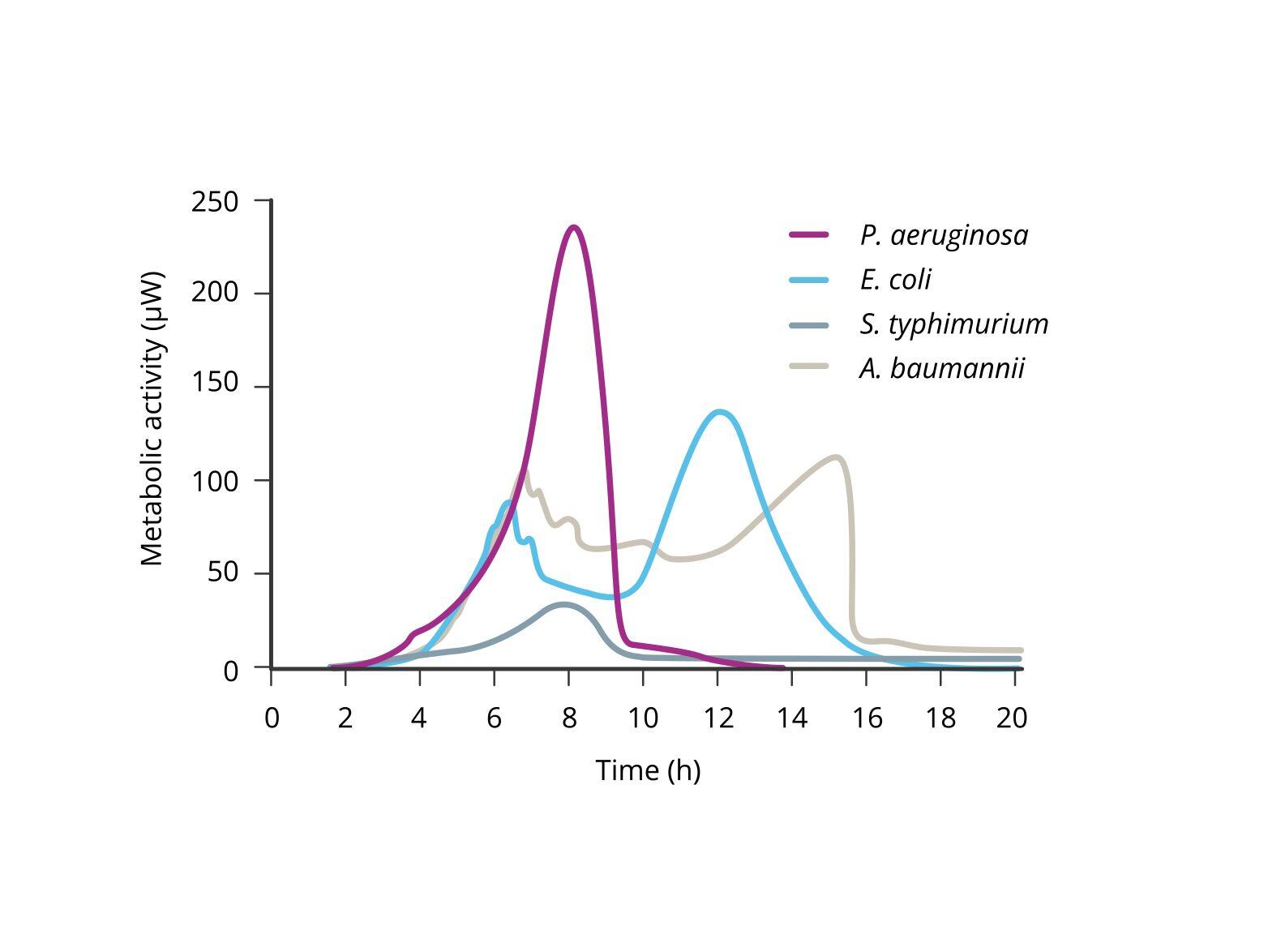
Peer-reviewed research shows that the calScreener biocalorimeter can accurately identify microbial pathogens directly in the patient sample . The calScreener translates metabolic readouts into time-trace diagrams, effectively capturing a unique “fingerprint” of the metabolic activity to the different microbial species. This metabolic profile can then be used in research studies to precisely identify what organisms are present in a clinical sample.
Fast Antimicrobial Susceptibility Testing (AST)
In infection diagnostics, one of the most significant challenges lies not only in identifying the pathogen responsible but also in determining which antibiotics will effectively combat it. The conventional approach is often slow and can be labor-intensive.
The calScreener identifies the presence of a pathogen and can assess which antibiotics will be most effective in a fraction of the time required by traditional methods – in as few as two hours. It can also distinguish between antibiotics that kill (bactericidal) the bacteria and those that merely suppress (bacteriostatic) its growth.
Clinical isothermal microcalorimetry applications
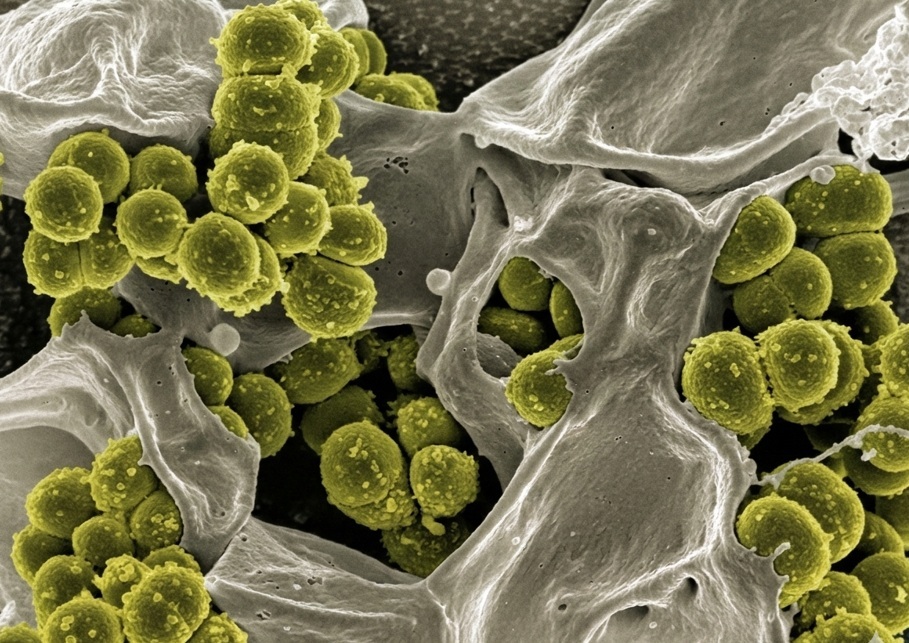
Beyond diagnosis, the ability to analyze bacteria within biofilms opens new possibilities for addressing one of the most persistent challenges in PJI management. By capturing microbial activity directly within complex biofilm environments, this approach enables a deeper understanding of infection dynamics and supports more effective strategies for implant-related infections.